In 2026, investing in a premium mountain apartment is one of the most reliable ways to protect capital and generate passive income—but only if the decision is based on hard data rather than emotions. The following checklist will help you evaluate whether a given property is a genuine investment opportunity.
1. Location – The Foundation of ROI
The first and most important question is: does a guest want to stay here? In Szczyrk, the highest occupancy rates are achieved by premium apartments located:
- within walking distance of ski lifts,
- close to the center and key infrastructure,
- without the need for daily car use.
A location on the “outskirts” may be cheaper to buy, but it typically records lower occupancy, requires price reductions, and falls out of the premium market faster.
Check:
- Is the apartment near the lifts/center?
- Does the location work outside the winter season?
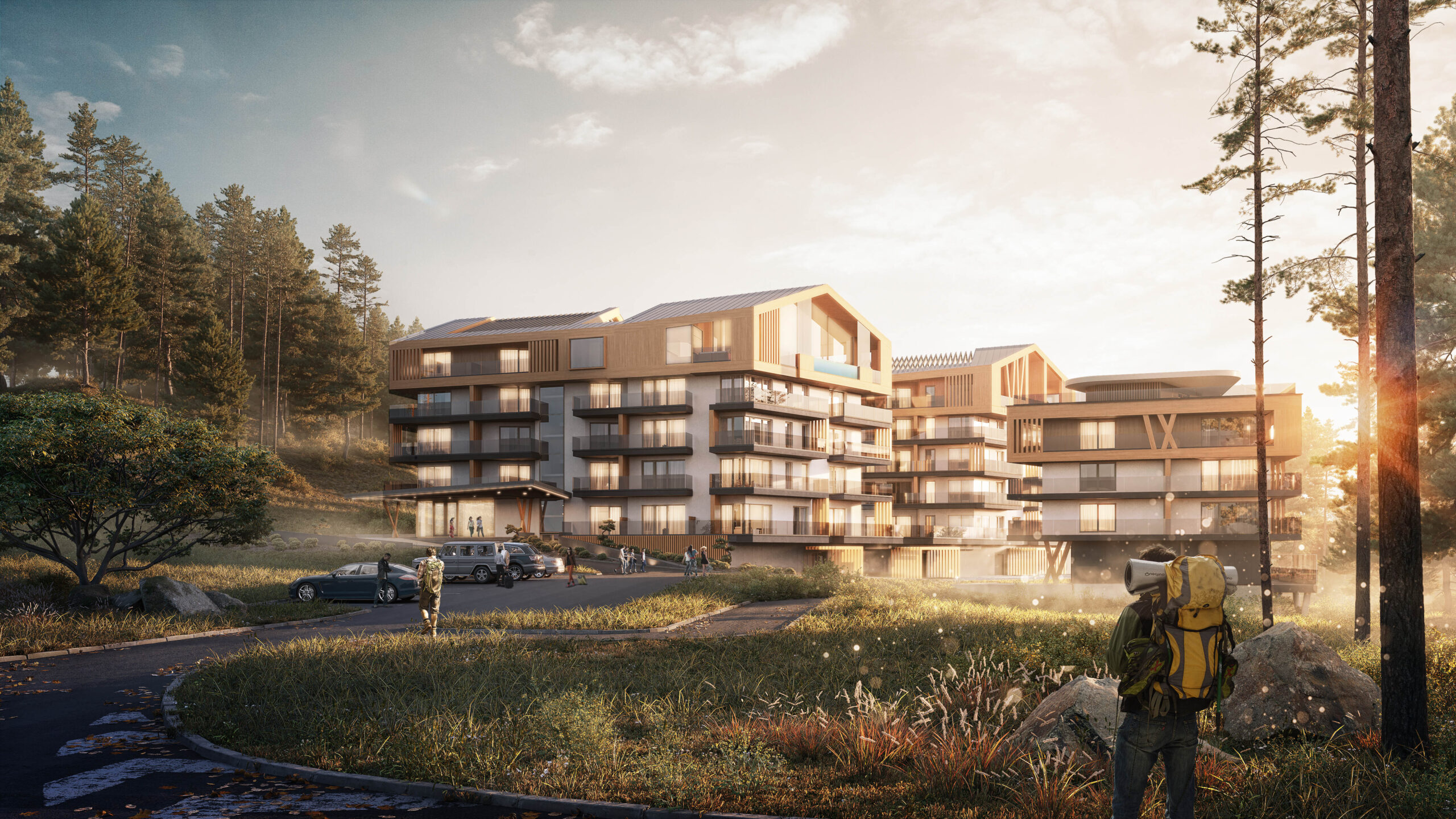 Location is the single most important factor determining future ROI in Szczyrk.
2. Standard – Premium Must Be Real, Not Just a Label
In 2026, the term “premium” is not just a marketing slogan. Guests expect modern interiors, wellness or pool areas, consistent aesthetics, and hotel-grade quality. High-standard apartments gather better reviews, achieve higher ADR (Average Daily Rate), and are less sensitive to seasonality. Our finishing standards set a new level of luxury in the region.
Check:
- Does the standard match 4–5* hotels?
- Is the finish consistent throughout the entire property?
3. Operator – The Most Underrated Element of ROI
High ROI does not come from the apartment alone, but from the management model. A professional operator manages prices dynamically, optimizes occupancy, handles guest service, manages marketing, and minimizes downtime. The lack of an operator or a “DIY” model results in lower prices, greater seasonality, higher operating costs, and the risk of poor reviews.
Check:
- Does the property have an experienced operator?
- Does the investor receive a truly passive income?
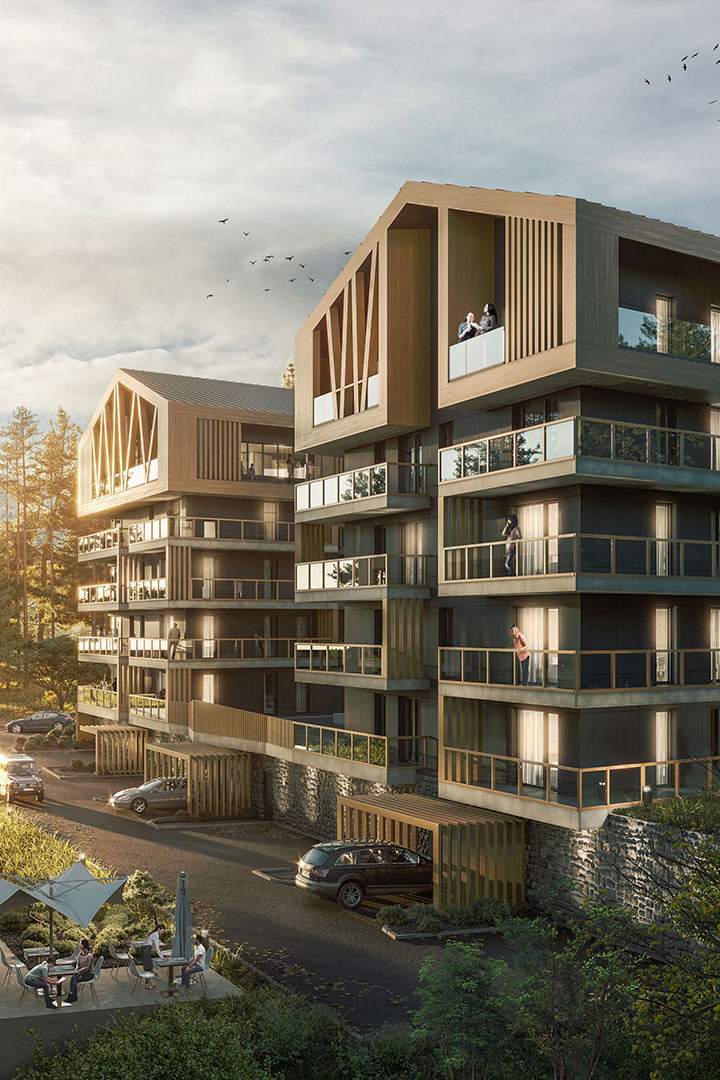 An experienced operator is the key to maximizing profits and rental security.
4. Occupancy – Numbers, Not Declarations
Declared ROI has no value without occupancy data. In premium projects in Szczyrk, average annual occupancy exceeds 70%, reaching 90–95% during the winter season, while summer and shoulder periods generate stable demand. If a project does not show real data or benchmarks, it is a red flag.
Check:
- Is there actual occupancy data available?
- Does the property operate for 12 months a year?
5. Maintenance Costs – The Hidden Enemy of ROI
High revenue does not always mean high profit. Key factors include energy costs, service fees, maintenance of common areas, and guest service costs. Modern premium aparthotels use automation, optimize energy consumption, and centralize services. This directly translates into a higher net ROI.
Check:
- Is the building energy-efficient?
- Are the costs transparent?
6. Revenue Model – Real 6–9% or Just Marketing?
An ROI of 6–9% in the mountains is possible, but not in every project, not with every standard, and not without an operator. In Szczyrk, such results are achieved by premium apartments in prime locations with professional management and stable year-round demand.
Check:
- Is the ROI backed by data?
- Does the model account for costs, not just revenue?
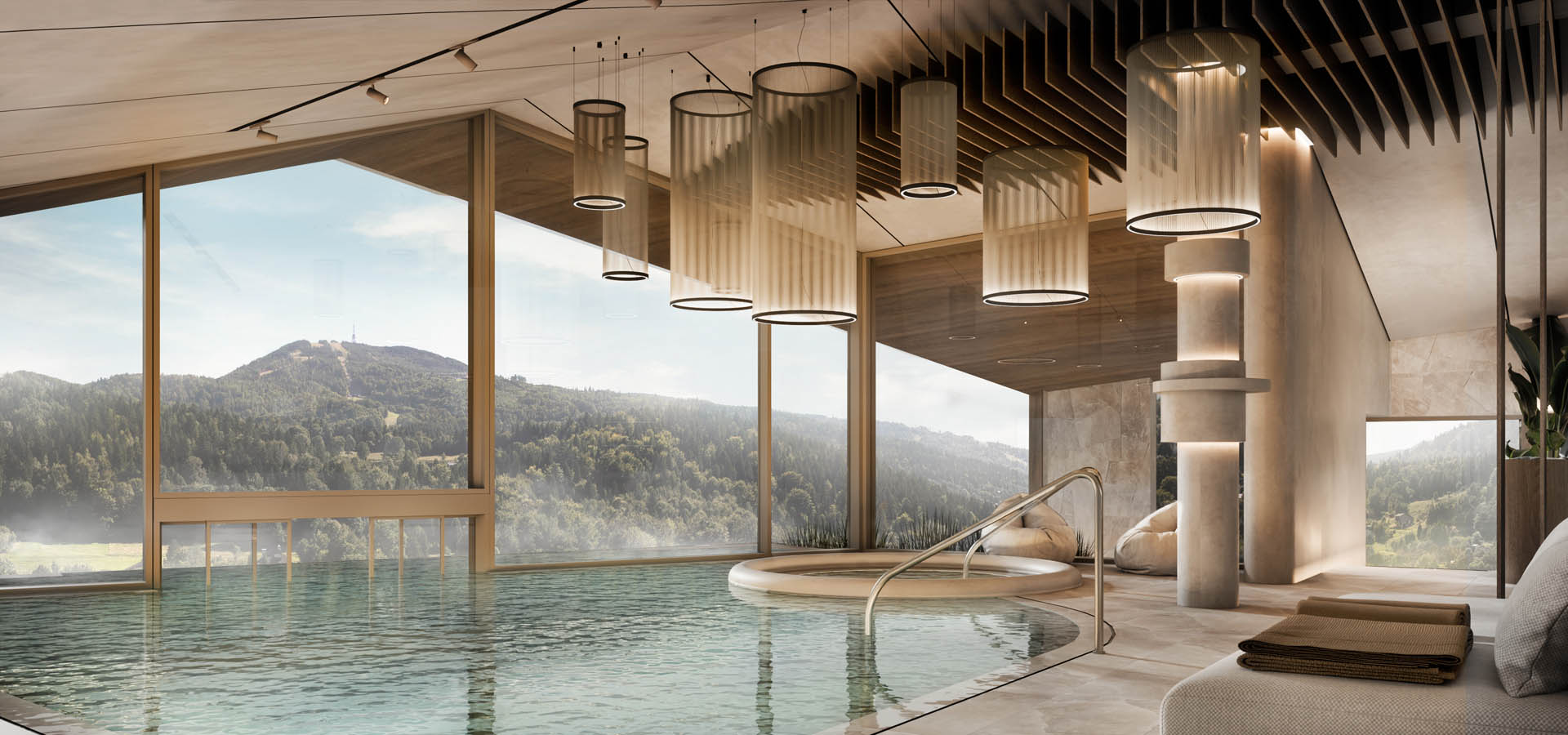 Amenities such as a pool and SPA significantly increase ROI and shorten the payback period.
7. Resilience to Seasonality
Seasonality mainly affects properties without wellness facilities, private apartments, or poor locations. A premium apartment works in winter, attracts guests in summer, and generates weekend stays in spring and autumn.
Check:
- Does the property have an offer for the off-season?
- Is demand independent of snow conditions?
8. Capital Appreciation Potential
ROI is not just about rental income, but also capital value. In 2026, Szczyrk is expanding infrastructure, attracting premium investments, and strengthening its position as a year-round resort. An apartment in a solid project is easier to sell, holds a better valuation, and remains attractive on the secondary market.
Check:
- Is the location developing?
- Will the project still be attractive in 5–10 years?
How to Distinguish a High-Potential Project from a “Trend-Based” Investment
| High-Potential Project | Trend-Based Project |
|---|---|
| Focuses on data, not just visions; shows the management model; communicates costs and risks; does not promise “guaranteed profits.” | Sells emotions; avoids specifics; relies on a single season; lacks a consistent standard. |
Premium apartments in Szczyrk – why is it one of the best choices today? The combination of high demand, modern infrastructure, resort development, and a growing premium base ensures that aparthotel profitability in Szczyrk in 2026 remains among the highest in Poland.
Summary – A Checklist Instead of Promises
A 6–9% ROI in the mountains is possible, but only when the investor chooses a project consciously, analyzes the data, looks long-term, and prioritizes quality over trends. If a project meets most points on this checklist, you are looking at a real premium investment rather than a marketing vision.
In 2026, the winners are those who invest with their head—not just their emotions.
Looking for a Secure Capital Investment in Szczyrk?
Discover our current investment projects that meet all the points on the checklist above. Benefit from the experience of Sky Resort.
View Available Apartments